
Table of Contents
The New Era of Diamond Certification
As lab-created diamonds become increasingly popular in the jewellery market, so too does the need for trusted, transparent certification. Buying a diamond—whether natural or lab-grown—isn’t just a financial decision but an emotional one, often tied to life’s most cherished moments. That’s why clarity and trust in the grading process are so essential. Certification provides buyers with unbiased, expert analysis of a diamond’s key qualities, and two of the most widely recognized authorities in this space are igi vs gia lab grown. But as the market shifts toward sustainable alternatives, many are asking: Which lab does a better job evaluating these modern stones?
The Rise of Lab Created Diamonds
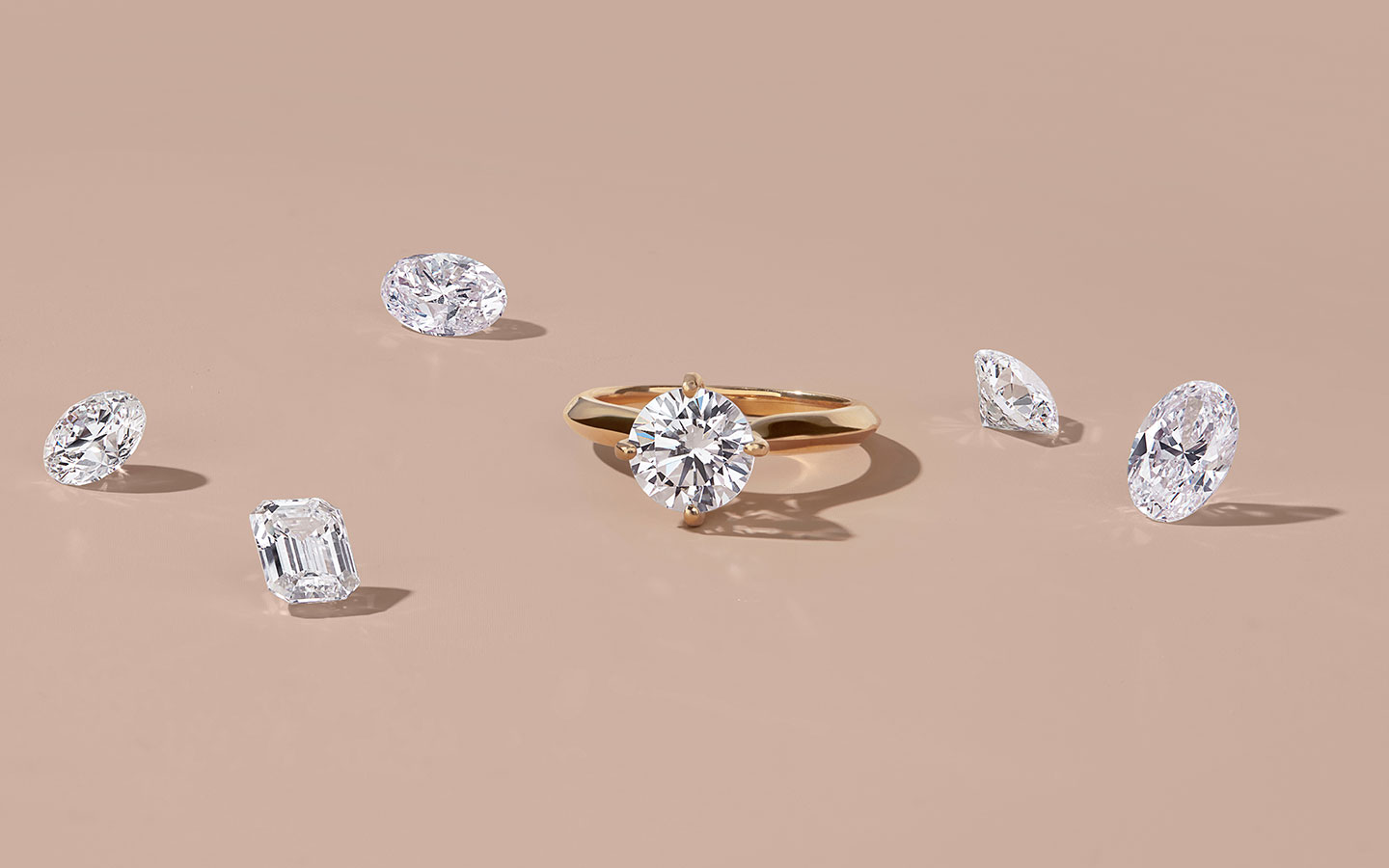
Lab-created diamonds are real diamonds, produced through technological processes that mimic the high-pressure, high-temperature conditions of natural diamond formation. What sets them apart is their origin—not their appearance or chemical composition. To the naked eye, and even under magnification, they’re indistinguishable from mined diamonds. Because of their ethical sourcing, smaller environmental footprint, and more accessible price point, lab diamonds are attracting a growing number of buyers who want beauty without compromise. As demand increases, so does the need for reliable grading that gives consumers confidence in their purchase.
Understanding Diamond Certification
Before diving into the differences between IGI and GIA, it’s important to understand what certification actually entails. Diamond certification is a detailed report issued by an independent gemological lab. This document grades a diamond’s 4Cs—cut, color, clarity, and carat weight—along with additional attributes such as polish, symmetry, and fluorescence. For lab-created stones, the report also specifies the method of creation (CVD or HPHT) and clearly identifies the diamond as lab-grown. Certification is not about assigning value but rather offering an objective assessment of quality, allowing consumers to compare stones with confidence.
A Closer Look at IGI: Accessibility and Popularity
The International Gemological Institute (IGI) has become the go-to certifier for lab-created diamonds, especially in the retail sector. IGI was one of the first major institutions to embrace and develop standards for grading lab-grown stones, which has given it a significant head start in the space. Retailers often prefer IGI reports because they are widely accepted, user-friendly, and available at a faster turnaround. IGI also grades a higher volume of lab diamonds, making it more prominent in online listings and physical showrooms alike. For consumers, this means that diamonds graded by IGI are more readily available, often at a lower price due to volume and accessibility.
Examining GIA: Reputation and Rigor
The Gemological Institute of America (GIA) is arguably the most prestigious name in diamond certification. Known for its strict grading standards and decades-long history, GIA is often considered the gold standard for mined diamonds. Until recently, GIA was slow to enter the lab-created diamond space, offering limited and sometimes vague reporting. However, in recent years, the organization has updated its approach, now providing full 4C grading reports for lab-created stones that closely mirror its mined diamond evaluations. While GIA-graded lab diamonds can be more difficult to find and may come at a premium, the brand’s reputation for excellence and rigor can offer peace of mind to more discerning buyers.
Key Differences Between IGI and GIA
When comparing igi vs gia lab grown, several distinctions emerge. IGI reports tend to be more widely used in the lab diamond market, which makes them more accessible and potentially less expensive. However, critics sometimes argue that IGI’s grading can be slightly more lenient, particularly in terms of color and clarity. GIA, on the other hand, is known for conservative grading, which can offer reassurance that you’re getting a diamond assessed by the most exacting standards. For consumers who value traditional prestige, GIA might be the preferred choice, while those seeking speed and variety may find IGI more appealing.
How Certification Affects Price
Certification isn’t just a formality—it can impact the final cost of the diamond. A lab-created diamond graded by GIA may be priced higher than an equivalent stone graded by IGI, even if their attributes appear similar on paper. This difference reflects not only the perceived stringency of GIA but also market dynamics and consumer perception. Some buyers are willing to pay more for the GIA name, while others prioritize value and may choose IGI-certified diamonds to get a larger or higher-graded stone within their budget. Either way, understanding the nuances between certification labs helps ensure buyers are making informed decisions.
Transparency and Buyer Confidence
Regardless of the lab, certification plays a key role in buyer confidence. It ensures that what you see is what you get—and that your diamond has been vetted by professionals with no vested interest in the sale. Reputable jewellers will always offer certified lab created diamonds and be transparent about the issuing lab. Consumers are encouraged to read the reports, ask questions, and even compare reports across labs to see which approach they trust more. Ultimately, certification is about empowering the buyer with knowledge, and both IGI and GIA have made strides in offering that clarity.
Choosing What Matters Most to You
When it comes to lab-created diamonds, choosing between IGI and GIA isn’t about right or wrong—it’s about preference. If brand prestige, strict grading, and long-term reputation are top priorities, GIA may be the best fit. If accessibility, quicker certification, and more budget-friendly options are important, IGI might be more suitable. Either way, it’s the combination of certification, personal taste, budget, and ethical values that defines the right diamond for each individual. Understanding how these labs differ is just one piece of the larger picture.
The Bigger Picture of Ethical Beauty
Lab-created diamonds have revolutionized the way people think about luxury, making ethical beauty more attainable than ever before. As these diamonds continue to gain ground, certification will remain a crucial element of trust and transparency. Consumers no longer have to choose between quality and conscience; today’s market offers both. Whether you opt for an IGI or GIA certificate, what matters most is that your diamond reflects your values, fits your lifestyle, and brings joy for a lifetime.
Final Thoughts: Informed Choices Sparkle Brighter
Navigating the world of diamond certification can feel complex, but it doesn’t have to be intimidating. With a clear understanding of the roles that IGI and GIA play in grading lab created diamonds, buyers are better equipped to make confident, informed decisions. Whether driven by ethics, aesthetics, or practicality, the choice of certification is part of a broader journey toward meaningful ownership. And when that decision is made with knowledge and care, the result is a diamond that shines far beyond its physical brilliance.